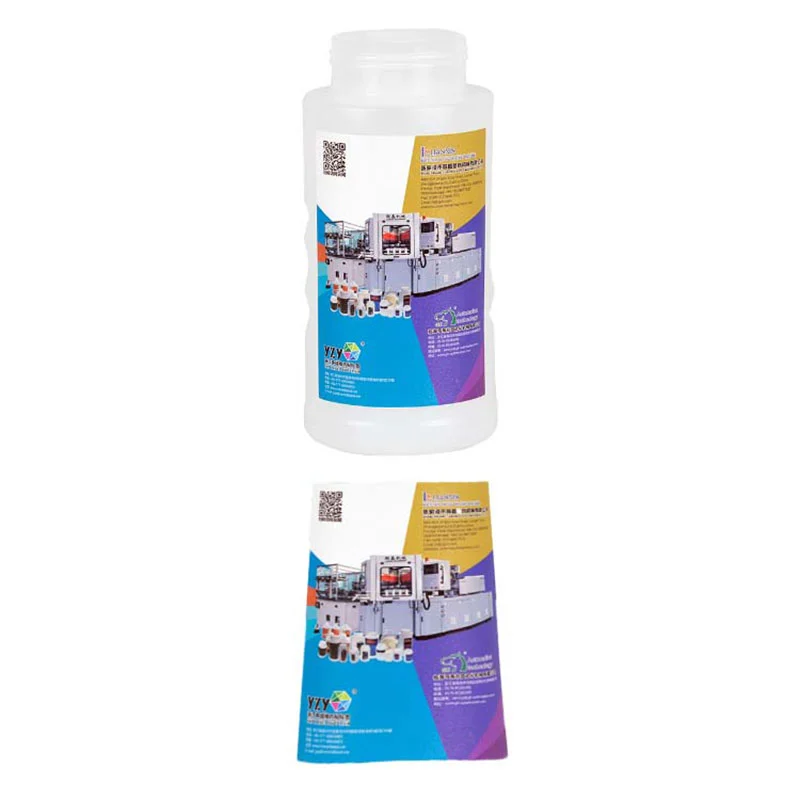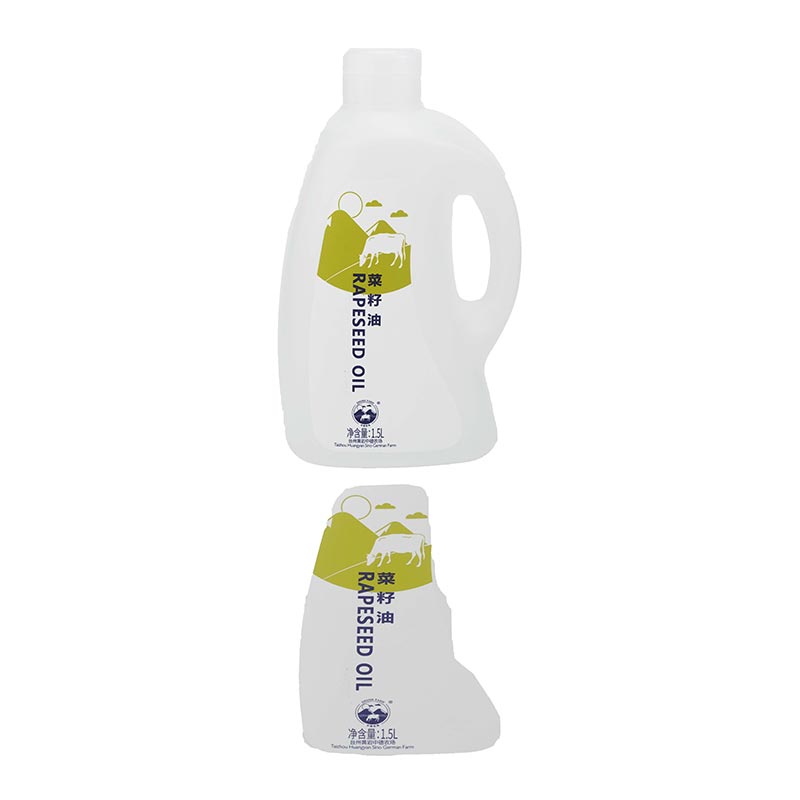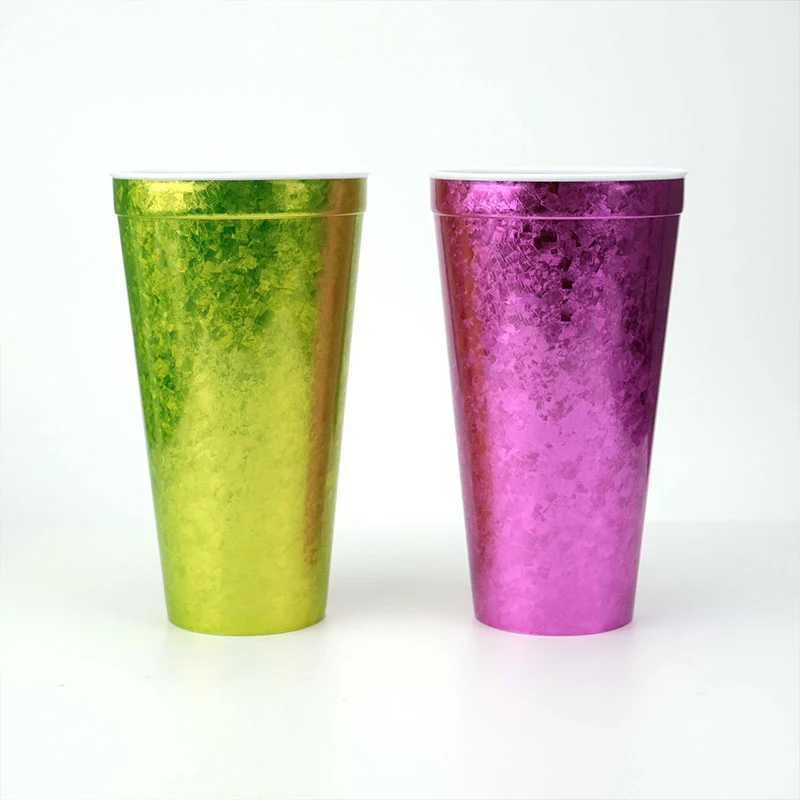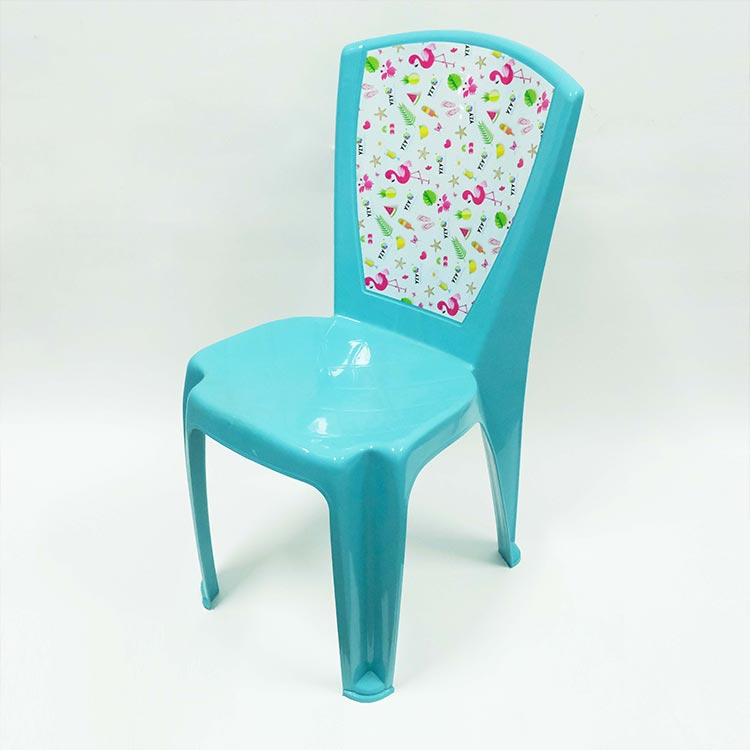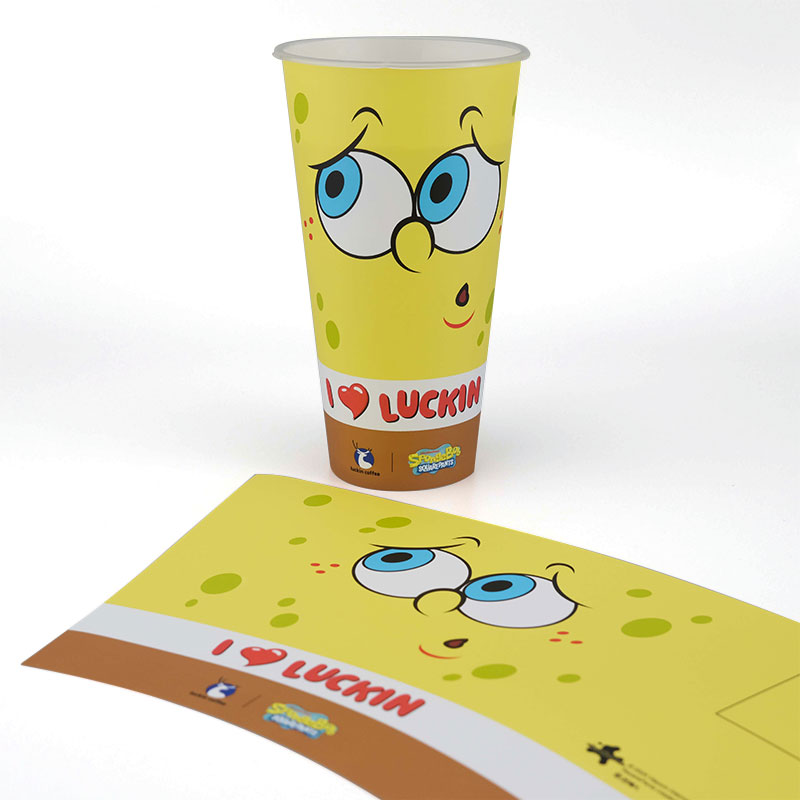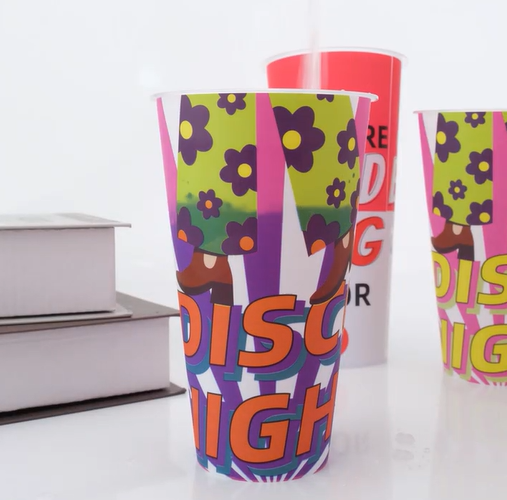
Injection Molding In Mold Label from Zhejiang Zhongyu Science and Technology Co.,Ltd. boosts container durability for frozen food packaging against dropping and low-temperature damage.
When a yogurt tub survives a fall from a shopping cart without a scratch, or a ice cream lid stays pristine after weeks in a freezer, that’s no accident. Zhejiang Zhongyu Science and Technology Co.,Ltd. notes that more brands are turning to Injection Molding technology to solve everyday packaging frustrations that consumers rarely talk about—but definitely notice.

Think about the last time you bought a product with a peeling label. Maybe it was a shampoo bottle where the label bubbled up in the shower. Or a takeout container where the sticker left sticky residue on your fingers. These small annoyances add up. For brands, each one is a tiny crack in customer trust.
Traditional labeling methods—glued paper, adhesive stickers, shrink sleeves—share common weaknesses:
- Moisture seeps under edges
- Friction from handling scratches graphics
- Cold temperatures make adhesives brittle
- Sunlight fades colors unevenly
Retailers notice it too. A returned product because "label looked old" is rare, but the silent impact is real: shoppers associate worn packaging with expired or low-quality contents.
Here is the simple version: Instead of sticking a label onto a finished plastic container, the label becomes part of the container during production. The pre-printed label goes into the mold first. Then molten plastic flows in, fusing with the label. When the part cools, label and container are one solid piece.
| Feature | Traditional Label | Injection Molding In Mold Label |
| Attachment method | Adhesive or glue | Thermally fused during molding |
| Edge peeling | Common after weeks | Impossible by design |
| Water resistance | Varies, often poor | Complete |
| Scratch resistance | Low to medium | High |
| Recycling ease | Label must be separated | Often recyclable as single material |
For a brand manager, the practical difference is this: no more complaints about sticky residue. No more damaged goods from label scratches in transit. No more extra steps to remove labels before recycling.
Anyone who stocks frozen goods knows the struggle: condensation forms, paper labels wrinkle, and barcodes become unreadable. With Injection Molding In Mold Label, moisture has no edge to sneak under. The label surface sits flush with the container wall. Condensation wipes off without damaging anything underneath.
Products get handled. Warehouse workers stack them. Shoppers pick them up and put them down. Traditional labels show this wear quickly—scratched gloss, rubbed-off text, dog-eared corners. IML labels resist abrasion because they lack a raised edge to catch on things. A butter tub with IML looks as fresh on day 90 as on day one.
Many brands want sustainable packaging but run into a contradiction: a recyclable container with a non-recyclable label becomes trash. IML allows labels and containers to use the same polypropylene (PP) material. No separation needed. This matters for brands facing new packaging regulations in Europe and North America.
Two shifts are driving adoption. First, consumers have become oddly sophisticated about packaging. They notice flimsy labels. They comment on unboxing videos. They post photos of peeling stickers on social media with captions like "Really, brand?" Second, production costs for IML have dropped as mold technology improved. The per-unit price difference between IML and high-quality shrink sleeves has narrowed significantly.
One food company that switched to Injection Molding In Mold Label for its premium ice cream line reported fewer returns from retailers due to "damaged packaging." More importantly, they could print intricate metallic effects directly onto the label without worrying about adhesive failure. Gold foil patterns that would peel off a sticker stay permanently embedded.
Here is where IML genuinely outperforms everything else: graphics can wrap around corners and edges without distortion. Traditional printing struggles with compound curves—the label either wrinkles or leaves blank spaces. IML transfers the full design into the mold, so the final product has continuous artwork. A child's lunchbox with a cartoon character that wraps seamlessly from front to back looks more premium. A supplement bottle with a gradient that flows over the shoulder of the container signals quality before anyone reads the ingredients.
Color accuracy improves too. Because the label is printed flat before molding, presses can use standard CMYK plus spot colors. The molding process doesn't stretch or blur the print. What you design is what stays on the shelf.
| Industry | Common Product | Why IML Works Here | |
| Dairy | Yogurt cups, butter tubs | Withstands fridge condensation and repeated handling | |
| Personal care | Shampoo bottles, soap dispensers | Resists bathroom humidity and oily fingers | |
| Household | Detergent scoops, storage bins | Survives garage temperatures and rough stacking | |
| Medical | Pill containers, specimen cups |
|
The medical example is worth noting. Hospitals have strict requirements about cleanability. A label that cannot trap dirt or moisture around its edges is easier to sanitize. Several diagnostic kit producers now specify IML for this reason alone.
Smaller brands sometimes hesitate, assuming IML requires huge minimum orders. That was true a decade ago. Today, Zhejiang Zhongyu Science and Technology Co.,Ltd. works with runs as modest as tens of thousands of units—reasonable for many regional brands. The tooling investment pays back through eliminated steps: no separate labeling machine, no adhesive inventory, no quality control for label application.
The calculation changes when including hidden costs of traditional labels:
- Rework for misaligned stickers
- Scrap from labels that detach during filling
- Labor to remove label backing paper
- Replacement costs for returned damaged goods
IML removes all these line items from the budget sheet.
Molding cycles for IML are nearly identical to standard injection molding. The robot arm places the label into the mold during the split-second when the mold opens. The rest of the cycle runs normally. For a high-volume line doing 10,000 parts per day, the time difference is negligible. The main adjustment happens in the tool design—adding vacuum ports to hold the label in place during mold closing. Once dialed in, the process runs automatically.
"Labels will wrinkle during molding."
Not with proper vacuum channels and correct label stiffness. Modern IML labels use materials designed to handle the heat and pressure without distorting.
"Only flat surfaces work."
Complex shapes actually benefit more. The label conforms exactly to the mold cavity, reaching into recesses that adhesive labels would bridge over.
"Design changes require new molds."
Only if changing the physical shape. Graphics change by printing new labels—the mold stays the same. This makes seasonal packaging or limited editions entirely feasible.
Retailers increasingly demand packaging that arrives in shelf-ready condition. No peeling. No fading. No sticky residue complaints from their own customers. Injection Molding In Mold Label meets this demand without adding complexity to the packing line. For brands that have struggled with label failures in cold chains, humid environments, or high-touch products, the switch solves problems that adhesive suppliers and paper mills couldn't fix.
The next time you see a reusable food container whose label looks painted on, or a garden sprayer bottle whose instructions remain readable after a season in the shed, chances are it was made with this technology. Zhejiang Zhongyu Science and Technology Co.,Ltd. continues to supply these film labeling solutions—including Injection Molding , aluminum foil sealing film, and shrink labels—to brands that want their packaging to outlast the product inside.