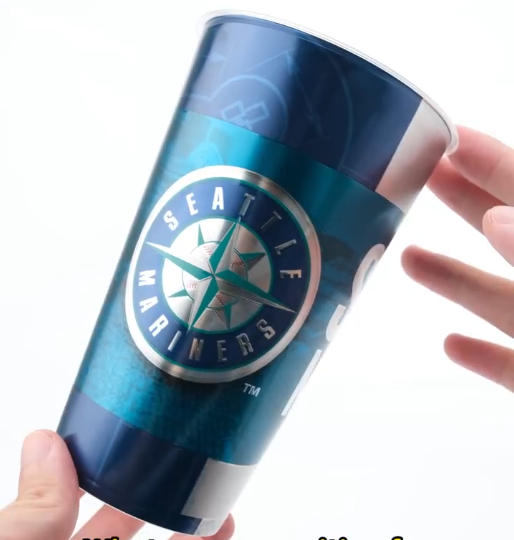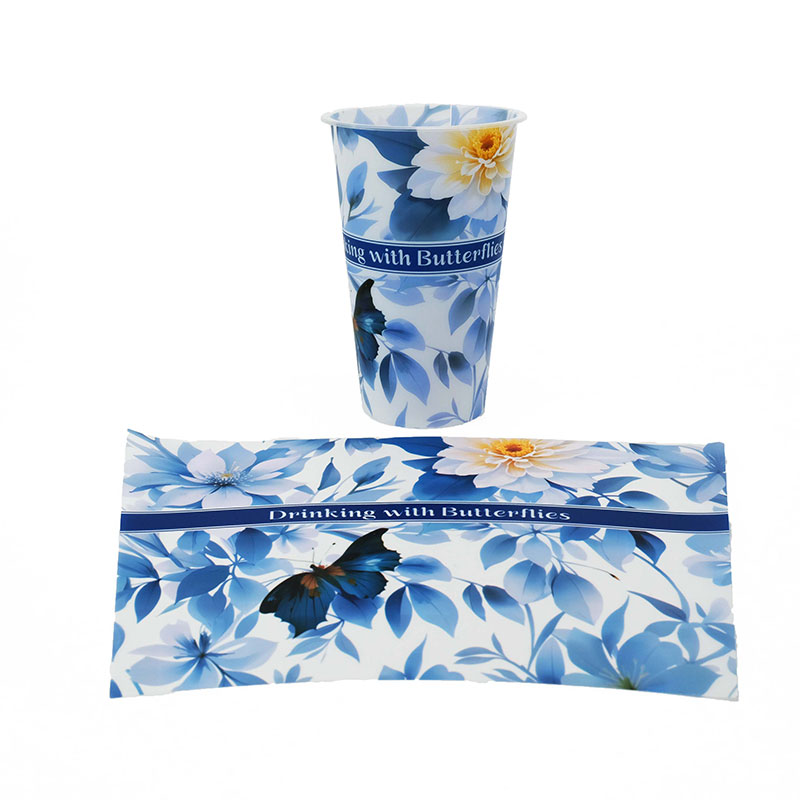
If you're packaging plastic containers, you've likely considered both IML (In-Mold Labeling) and shrink sleeve labels. They look similar at first glance, but the underlying processes and end results are very different.
This guide breaks down 7 critical factors to help you choose the right label type.
Quick answer: IML is the better long-term choice for high-volume plastic containers (better durability, eco-friendly, lower TCO). Shrink sleeves are better for small batches, complex shapes, and glass containers.
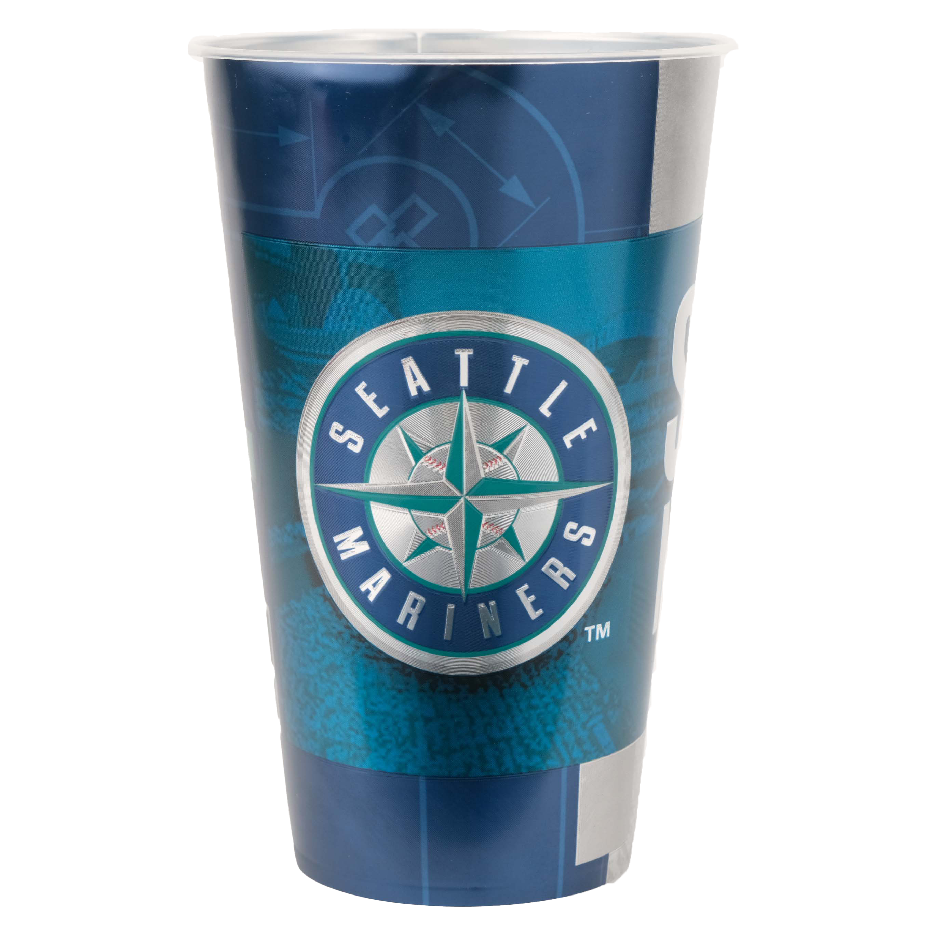
IML
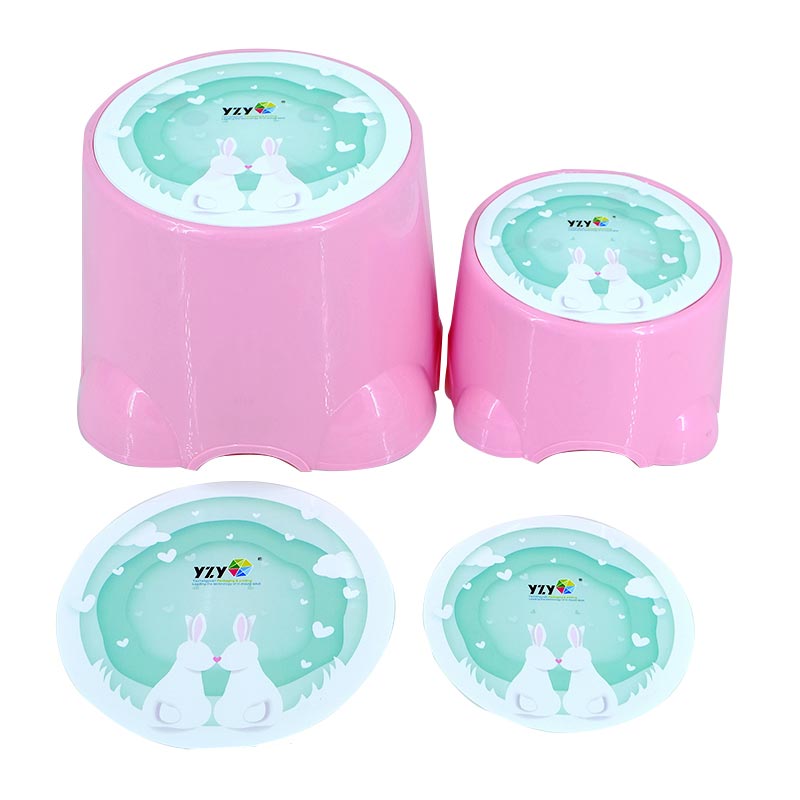
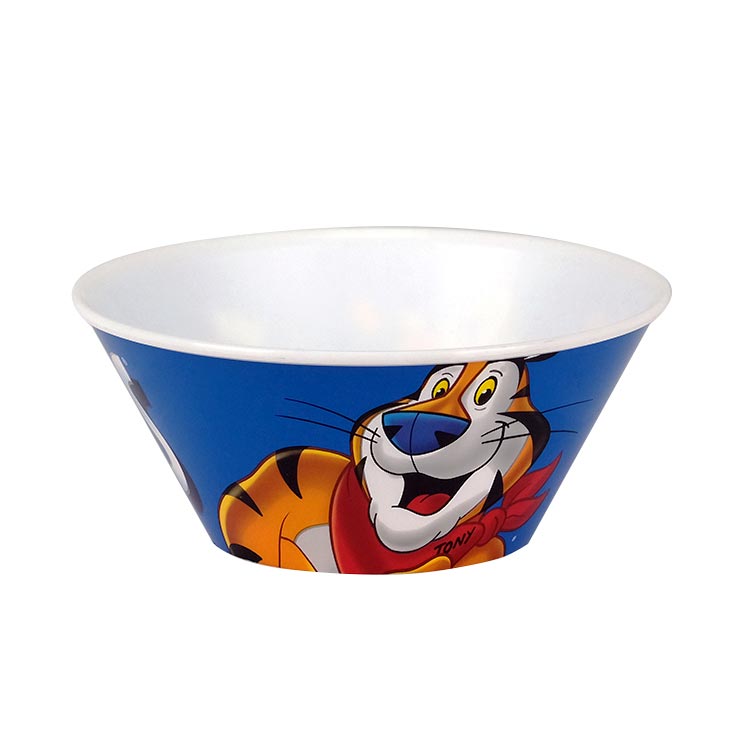
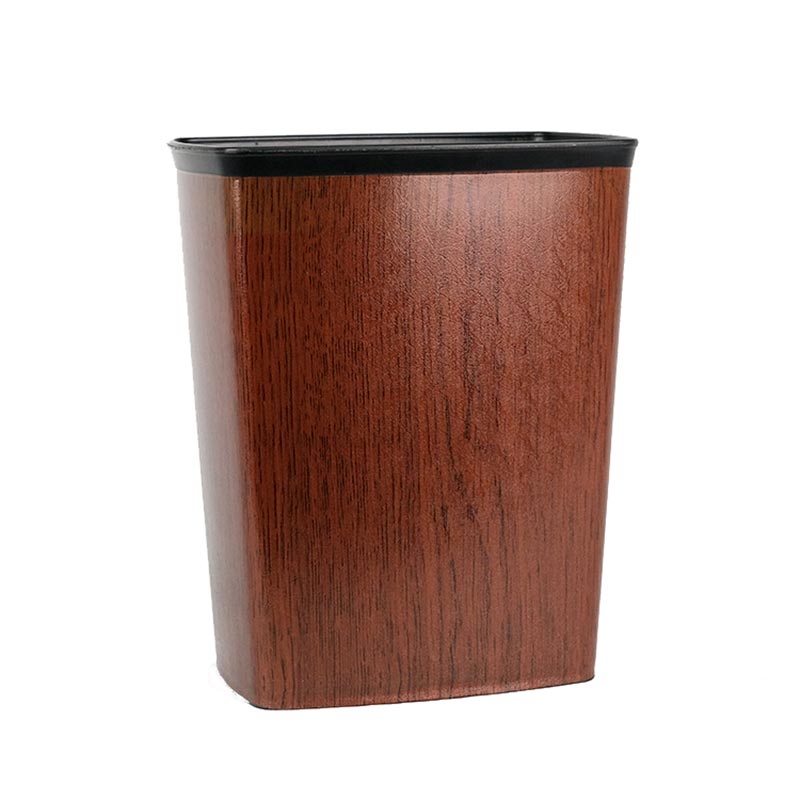
A pre-printed label is placed inside the injection or blow mold. Molten plastic fuses the label and the container in a single step.
Shrink Sleeve
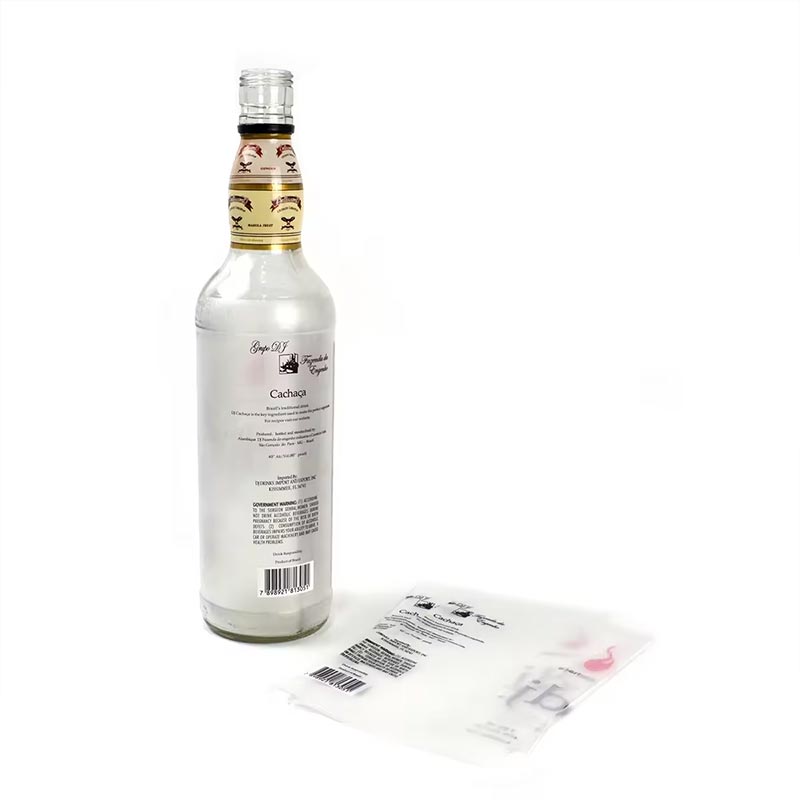
A printed plastic sleeve is placed over the container and shrunk with heat to conform to its shape. It's a two-step process: produce container, then apply sleeve.
For background, see our [Complete Guide to In-Mold Labeling](/in-mold-labeling/).
| Comparison | IML Labels | Shrink Sleeve Labels |
| Process | One-step (in mold) | Two-step (apply + heat shrink) |
| Container Compatibility | Plastic only (PP/PE/PET) | Plastic, glass, metal |
| Durability | Excellent; fused with container | Good; can tear or scratch |
| Recyclability | Same resin; direct recycling | Mixed materials; harder to recycle |
| Equipment Cost | Robotic arm + IML mold | Sleeve applicator + heat tunnel |
| Label Cost per Unit | Slightly higher | Slightly lower (at low volume) |
| Scrap Rate | <1% | 2–5% (misalignment, tearing) |
| Print Quality | Photo-quality | High, but may distort on curves |
Shrink sleeves sit on top of the container surface, so they're vulnerable to:
· Tearing at sharp edges
· Scuffing during shipping
· Detachment in hot or cold environments
· Chemical attack from detergents, oils, food acids
IML labels, by contrast, are part of the container itself. They survive harsh conditions including dishwashers, freezers, and chemical contact.
This is where IML pulls ahead decisively:
· Material match: IML uses the same resin as the container (e.g., PP label on PP container). They can be recycled together in a single stream.
· No sleeve waste: Shrink sleeves require a separate recycling step or are sent to landfill.
· No glue or adhesive: Eliminates a contaminant in the recycling stream.
With EU regulations pushing for [PPWR (Packaging and Packaging Waste Regulation)](https://environment.ec.europa.eu/), IML's recyclability advantage is becoming a competitive moat.
| Comparison | IML Labels | Shrink Sleeve Labels |
| Process | One-step (in mold) | Two-step (apply + heat shrink) |
| Container Compatibility | Plastic only (PP/PE/PET) | Plastic, glass, metal |
| Durability | Excellent; fused with container | Good; can tear or scratch |
| Recyclability | Same resin; direct recycling | Mixed materials; harder to recycle |
| Equipment Cost | Robotic arm + IML mold | Sleeve applicator + heat tunnel |
| Label Cost per Unit | Slightly higher | Slightly lower (at low volume) |
| Scrap Rate | <1% | 2–5% (misalignment, tearing) |
| Print Quality | Photo-quality | High, but may distort on curves |
Shrink sleeves have lower upfront tooling cost, but IML's lower scrap rate and eliminated secondary process make it cheaper at scale.
For a full pricing breakdown, see our [IML Label MOQ, Pricing & Lead Time Guide](/blog/iml-label-moq-pricing-lead-time).
Shrink sleeves are still the right call for:
• Glass containers (IML doesn't work on glass)
• Complex curved shapes where IML forming is challenging
• Limited edition runs with frequent design changes
• Tamper-evident seals (the perforated tear strip is a key shrink sleeve feature)
At YZY, we help brand owners run a side-by-side trial. We'll produce:
• A 1,000-unit IML sample
• A 1,000-unit shrink sleeve sample
• A cost-and-quality comparison report
This data-driven approach removes the guesswork.
Q1: Can IML and shrink sleeves be used on the same container?
A: Not typically. Each process requires its own container design and mold setup.
Q2: Which is better for hot-fill applications?
A: IML. Shrink sleeves can soften, deform, or peel in hot-fill environments.
Q3: Which is more environmentally friendly?
A: IML. Same-resin construction means single-stream recycling; no adhesive contamination.
Q4: Is IML suitable for transparent containers?
A: Yes. In fact, IML works beautifully on transparent containers—especially with clear or rainbow-effect labels.
Q5: Can shrink sleeves be used on injection-molded containers?
A: Yes, but the extra heat-shrink step adds cost and reduces dimensional accuracy.
IML labels win on durability, sustainability, and total cost at scale. Shrink sleeves win on flexibility, complex shapes, and glass packaging. The right choice depends on your container material, volume, and sustainability goals.
Need help deciding? [Get a free consultation from YZY](mailto:yzy@inmoldlabel.net).