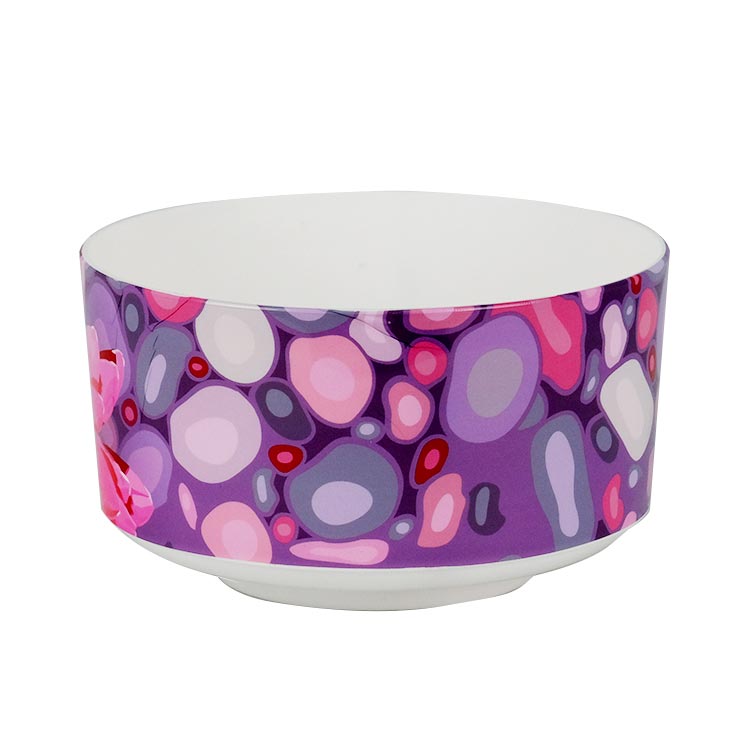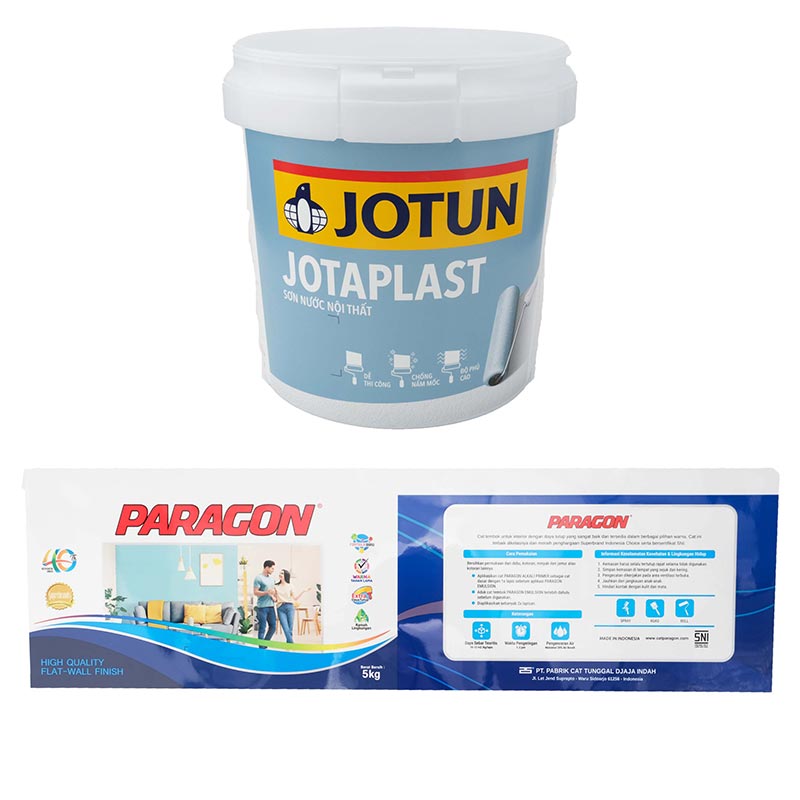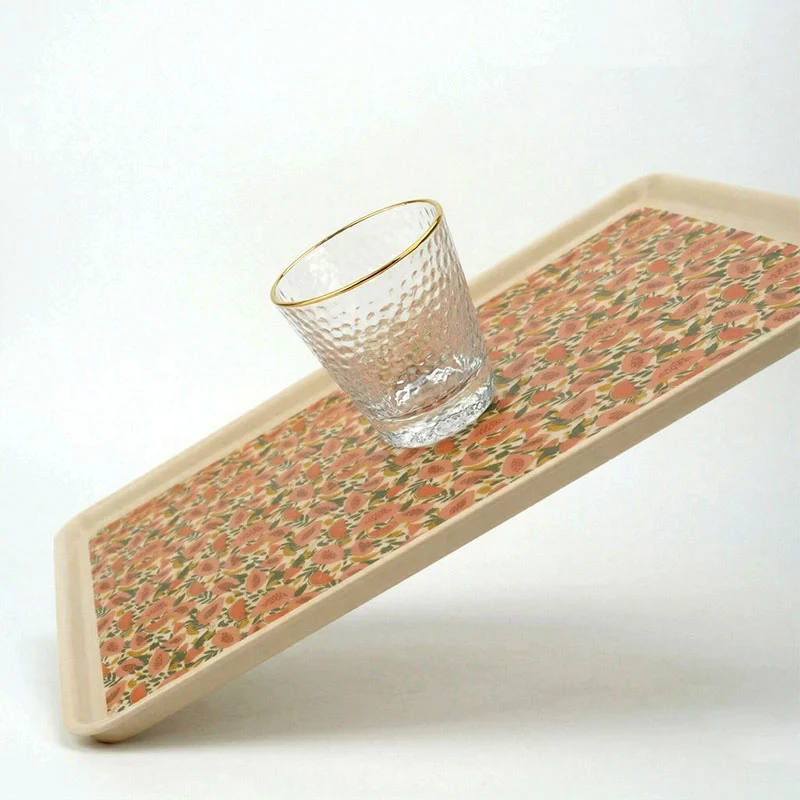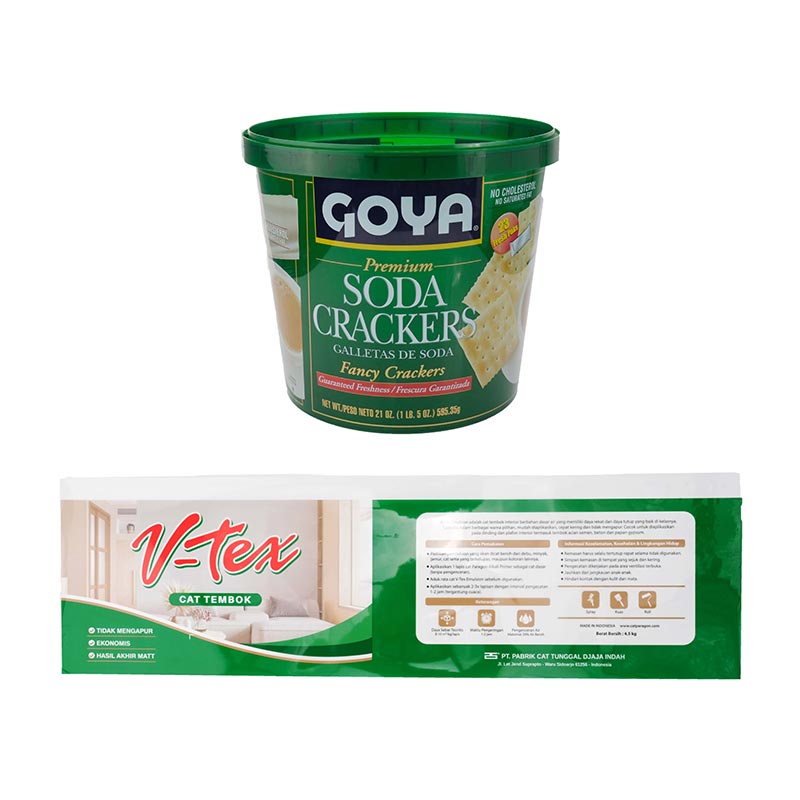
Choosing the right label type can make or break your product's packaging. Two of the most common options are IML (In-Mold Labeling) and pressure sensitive labels (PSL)—also known as self-adhesive or sticker labels.
In this guide, we'll compare IML vs pressure sensitive labels across 8 dimensions so you can make the best decision for your brand and your bottom line.
Quick answer: If you produce plastic containers in high volume and want a label that never peels, IML wins. If you run a small-batch or non-plastic operation, pressure sensitive labels are usually the more flexible choice.
IML is a process where a pre-printed label is placed inside an injection or blow mold. When the molten plastic fills the cavity, the label fuses with the container in a single step—no adhesive, no post-production labeling.
For a deep dive, see our [Complete Guide to In-Mold Labeling](/in-mold-labeling/).
Pressure sensitive labels are printed on a liner-backed face stock with a pressure-sensitive adhesive. They're applied to a container after production by hand or by a labeling machine.
1. What Is In-Mold Labeling (IML)?
IML is a process where a pre-printed label is placed inside an injection or blow mold. When the molten plastic fills the cavity, the label fuses with the container in a single step—no adhesive, no post-production labeling.
For a deep dive, see our [Complete Guide to In-Mold Labeling](/in-mold-labeling/).
2. What Are Pressure Sensitive Labels (PSL)?
Pressure sensitive labels are printed on a liner-backed face stock with a pressure-sensitive adhesive. They're applied to a container after production by hand or by a labeling machine.
| Comparison | IML Labels | Pressure Sensitive Labels |
| **Bonding** | Fused with container; cannot peel | Adhesive; can peel, lift, or wrinkle |
| **Water/Heat/Chemical Resistance** | Excellent (resin matched) | Moderate; can fail in dishwasher or freezer |
| **Print Quality** | Photo-quality, 4-color + spot | High, but limited by face stock |
| **Production Speed** | One-step injection + labeling | Two steps: produce container + apply label |
| **Equipment Investment** | Robotic arm + IML mold | Labeling machine + adhesive inventory |
| **Scrap Rate** | Near zero | Typically 3–8% (peeling, misalignment) |
| **Recyclability** | Same resin as container; direct recycling | Must separate label from liner (extra step) |
| **Best For** | Injection-molded or blow-molded plastic containers | Glass, metal, cardboard, small batches |
Pressure sensitive labels fail in three classic ways:
· **Peeling** at the edges after contact with water, oil, or friction
· **Bubbling** when temperature or humidity changes
· **Discoloration** when exposed to UV, detergent, or food acids
IML labels eliminate all three failure modes because the label and the container are made of the same resin (typically PP or PE) and are fused at the molecular level during molding. The result: a label that survives dishwashers, freezers, and chemical exposure.
Pressure sensitive labels look cheaper per piece, but the true cost includes:
· Labeling equipment (often $50K–$500K)
· Manual labor or machine maintenance
· Scrap from misaligned or wrinkled labels
· Adhesive inventory and waste liner disposal
When you factor in these hidden costs, IML typically delivers 10–20% lower total cost per container at scale.
For a full breakdown, read our [IML Label MOQ, Pricing & Lead Time Guide](/blog/iml-label-moq-pricing-lead-time).
PSL still makes sense in these cases:
· **Small batches** (under 5,000 units)
· **Non-plastic containers** (glass, metal, cardboard)
· **Frequent design changes** (limited edition runs)
· **Variable data** (consecutive numbering, personalized labels)
If you're ready to migrate:
• Audit your current container material (PP, PE, or PET is best)
• Work with an IML manufacturer on label artwork and mold design
• Run a small trial batch (500–2,000 units)
• Scale up once quality is verified
Learn more in our [How to Choose an IML Manufacturer](/blog/how-to-choose-iml-manufacturer) guide.
Q1: Are IML labels more expensive than pressure sensitive labels?
A: The unit price of IML is slightly higher, but the total cost per container is usually lower once you factor in eliminated labeling equipment, labor, and scrap.
Q2: Can IML labels be used on glass bottles?
A: No—IML only works with plastic containers that go through injection or blow molding. Use pressure sensitive labels for glass.
Q3: Are IML labels dishwasher safe?
A: Yes. IML labels can withstand repeated dishwasher cycles because the label is fused with the container.
Q4: How long do IML labels last?
A: IML labels last as long as the container itself, since they are part of the same material.
Q5: Which industries use IML the most?
A: Food packaging, dairy, ice cream, personal care, home cleaning, and lubricants.
IML labels win on durability, total cost, and sustainability. Pressure sensitive labels win on flexibility and small-batch economics. For high-volume plastic container production, IML is almost always the better long-term choice.
Ready to explore IML? [Contact YZY](mailto:yzy@inmoldlabel.net) for a custom quote.