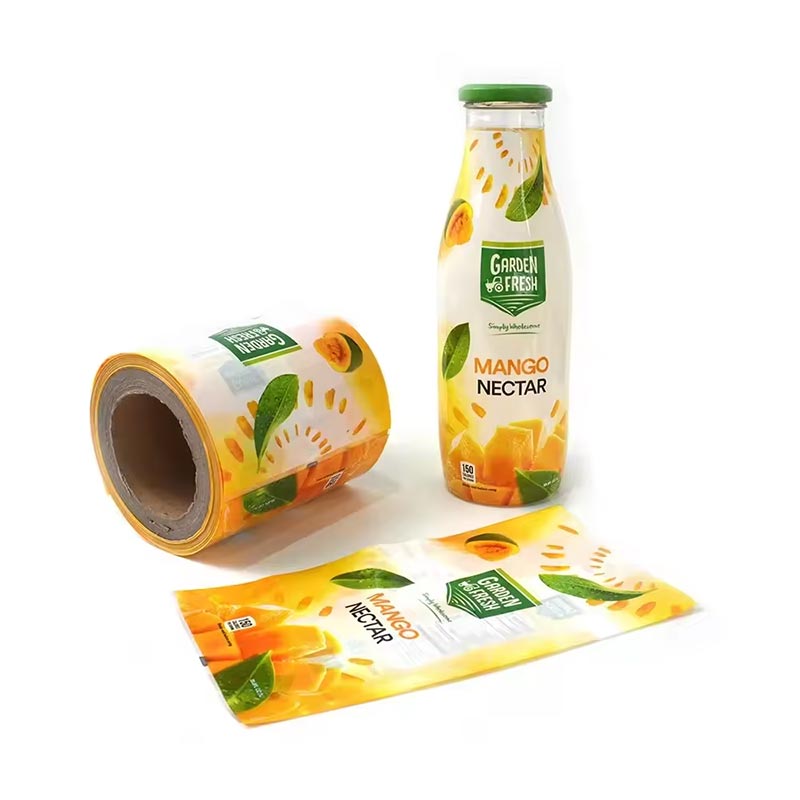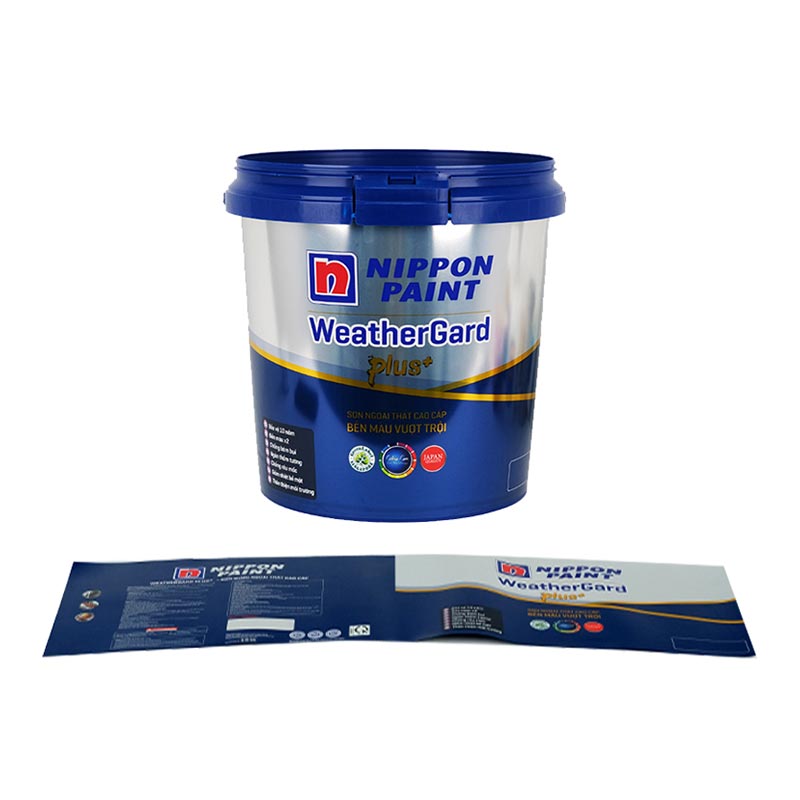
Food packaging is one of the most demanding label applications. The label must survive freezing, microwaving, dishwashing, and constant contact with food acids—all while looking great on the shelf.
IML (In-Mold Labeling) is the gold standard for plastic food packaging, used by brands like Starbucks, Yili, Mengniu, Nestlé, and Oreo. Here's why.
Quick answer: IML labels are food-safe (when produced by certified manufacturers), waterproof, freezer-safe, and offer photo-quality print. They're the top choice for ice cream tubs, yogurt cups, butter containers, and ready-meal trays.
Three forces drive IML adoption in food packaging:
• Brand differentiation in a crowded retail shelf
• Regulatory pressure for recyclable packaging
• Operational efficiency at high production volumes
In Europe, 85–95% of food packaging already uses IML. China is catching up fast, growing at over 15% CAGR.
For background on the IML process, see our [Complete Guide to In-Mold Labeling](/in-mold-labeling/).
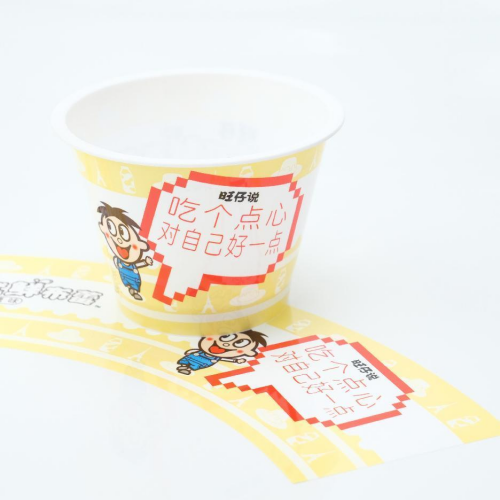
Any IML label used for food contact should be produced in a facility with these certifications:
· ISO 22000— Food Safety Management System
· BRCGS — Global Standard for Packaging Materials (EU market access)
· FDA compliance (for US-bound products)
· EU 10/2011 — Plastic materials and articles intended to come into contact with food
YZY is certified to ISO 22000:2018 and BRCGS, with a portfolio that includes Starbucks, Yili, Mengniu, and Daliyuan.
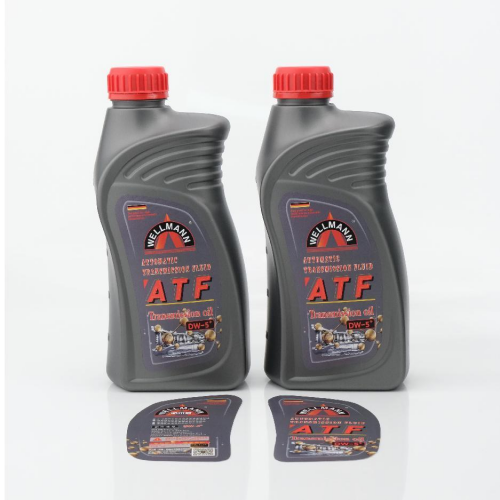
| Application | Why IML Works |
| Ice cream tubs | Survives freezer storage; vibrant graphics drive impulse purchase |
| Yogurt cups | Photographic fruit imagery sells product; label survives condensation |
| Butter/spread tubs | Resists oil penetration; food-safe resin |
| Microwave-ready meals | Withstands microwave heat; no peeling |
| Snack containers | High-impact graphics for shelf appeal |
| Confectionery buckets | Premium look for gift-grade products |
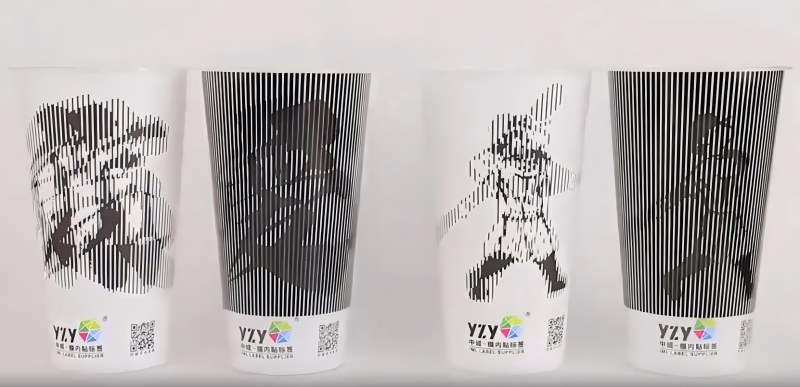
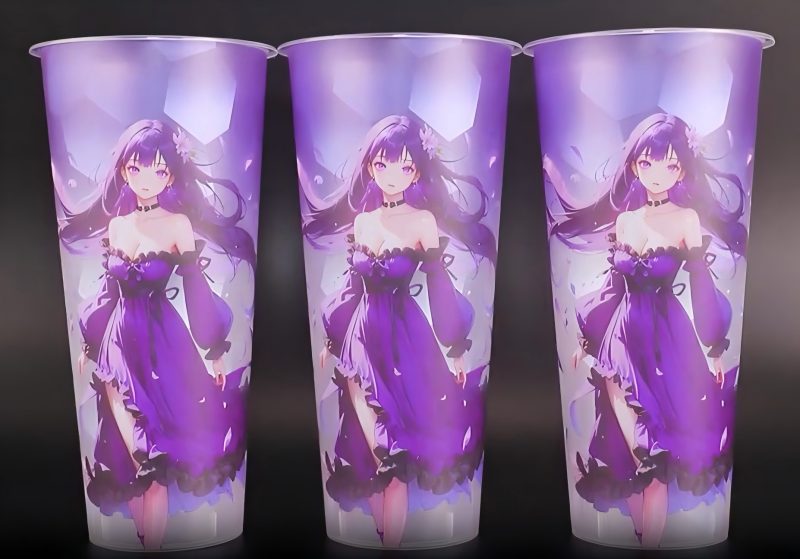
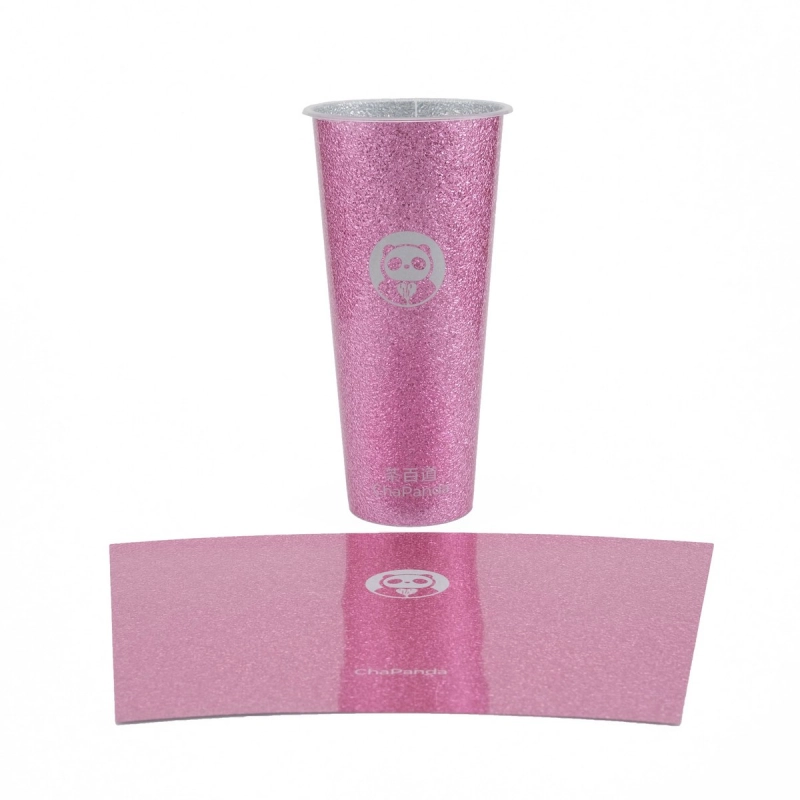
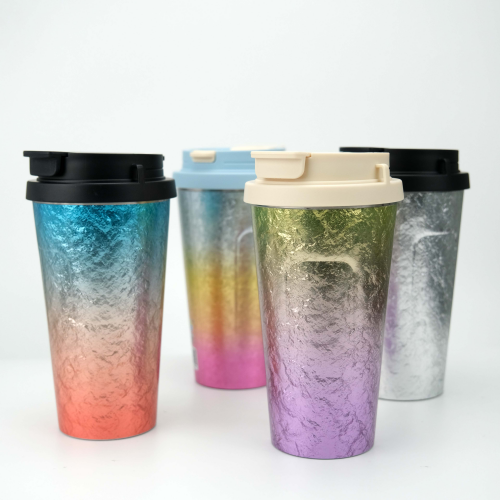
IML supports a level of print quality and special effects that no other label type can match:
· Photo-quality 4-color + spot colors
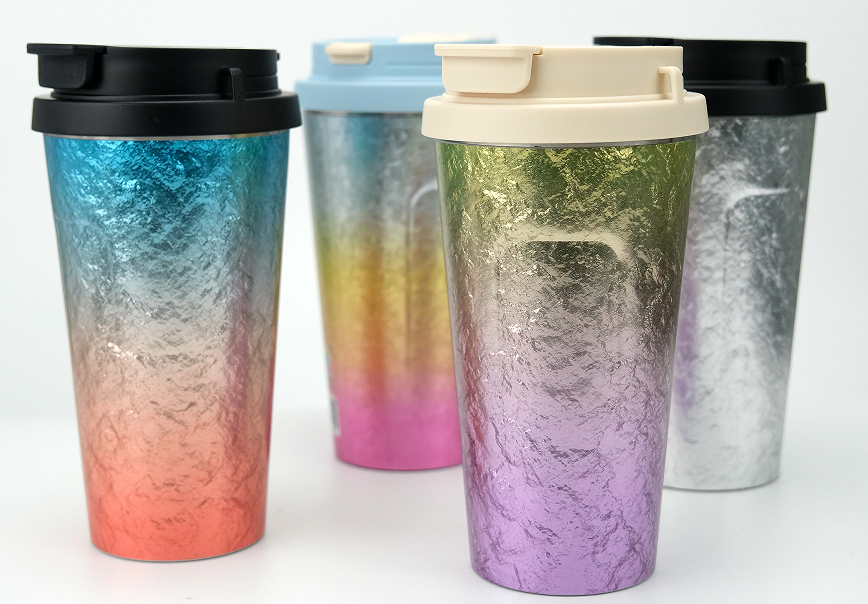
· Metallic finishes (gold, silver, brushed)
· Pearlescent and holographic effects
· Matte + gloss combinations
· Embossed / 3D relief textures
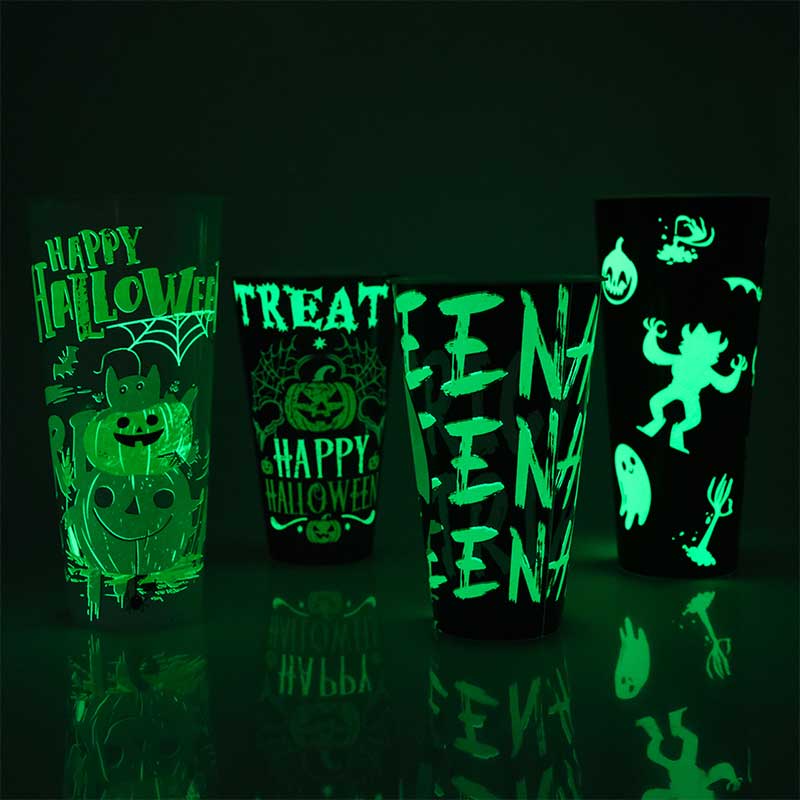
· Glow-in-the-dark, thermochromic, and color-changing effects (great for limited editions)
To see how brands use these effects, read our [Thermochromic IML Labels Guide](/blog/thermochromic-iml-labels).
IML is one of the most sustainable food packaging options:
· Same resin as the container → single-stream recycling
· No adhesive → no recycling contamination
· Less resin needed → label reinforces the sidewall, allowing thinner walls
· Reduced food waste → clearer product info and brand recognition
Ice Cream Tubs
A premium European ice cream brand switched from PSL to IML and saw:
· 40% reduction in label-related customer complaints
· 12% lift in shelf appeal (consumer survey)
· 18% drop in total packaging cost per unit
Yogurt Cups
A leading Chinese dairy brand uses IML for its flagship yogurt line:
· 100% freezer-safe
· 5-color photographic fruit imagery
· 30% reduction in packaging waste vs. prior design
For more, read our [IML Label Case Studies (Starbucks, Yili, Oreo)](/blog/iml-label-case-study-starbucks).
Use this checklist:
· ✅ ISO 22000 + BRCGS certified
· ✅ Experience with food-grade clients (ask for case studies)
· ✅ In-house production (not a trading company)
· ✅ Migration testing reports available
· ✅ Audit-ready facility
For a deeper checklist, see [How to Choose an IML Manufacturer](/blog/how-to-choose-iml-manufacturer).
Q1: Are IML labels safe for direct food contact?
A: Yes—when produced by ISO 22000 / BRCGS certified manufacturers using food-grade inks and resins.
Q2: Can IML labels go in the freezer?
A: Yes. IML is the top choice for frozen food packaging.
Q3: Can IML labels go in the microwave?
A: Yes, with PP-based IML. Avoid metallic-effect labels in microwave applications.
Q4: What is the minimum order quantity for food-grade IML?
A: As low as 500 units for digital printing trials. Bulk orders typically start at 50,000+ units.
Q5: Are IML labels dishwasher safe?
A: Yes. IML labels withstand repeated dishwasher cycles.
IML is the future of food packaging—safe, sustainable, and visually striking. If you're launching a new food product or upgrading an existing line, IML delivers the best combination of compliance, brand impact, and total cost.
Ready to discuss your food packaging project? [Contact YZY's food packaging team](mailto:yzy@inmoldlabel.net).