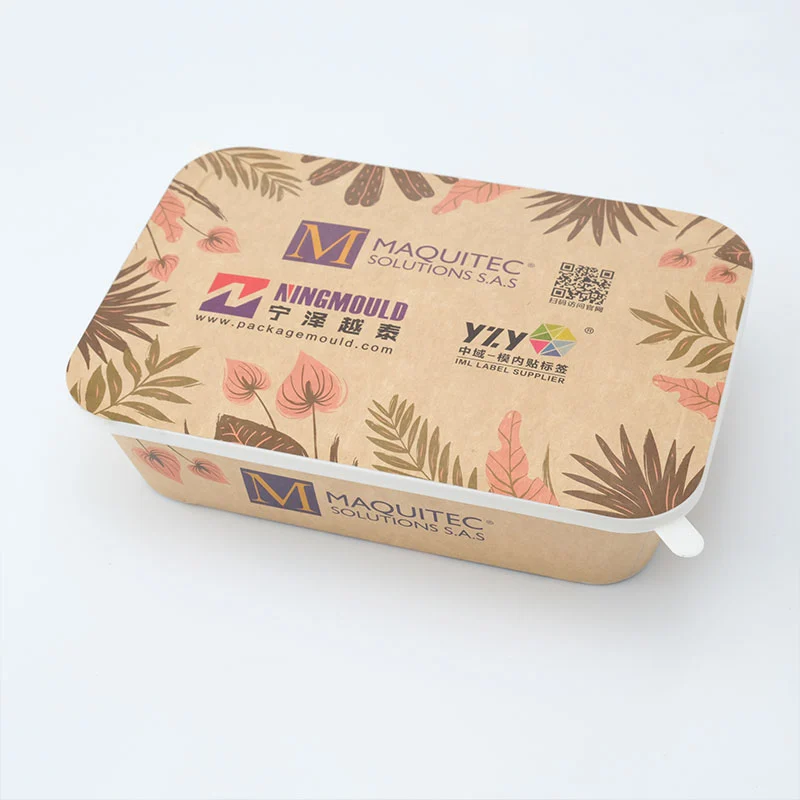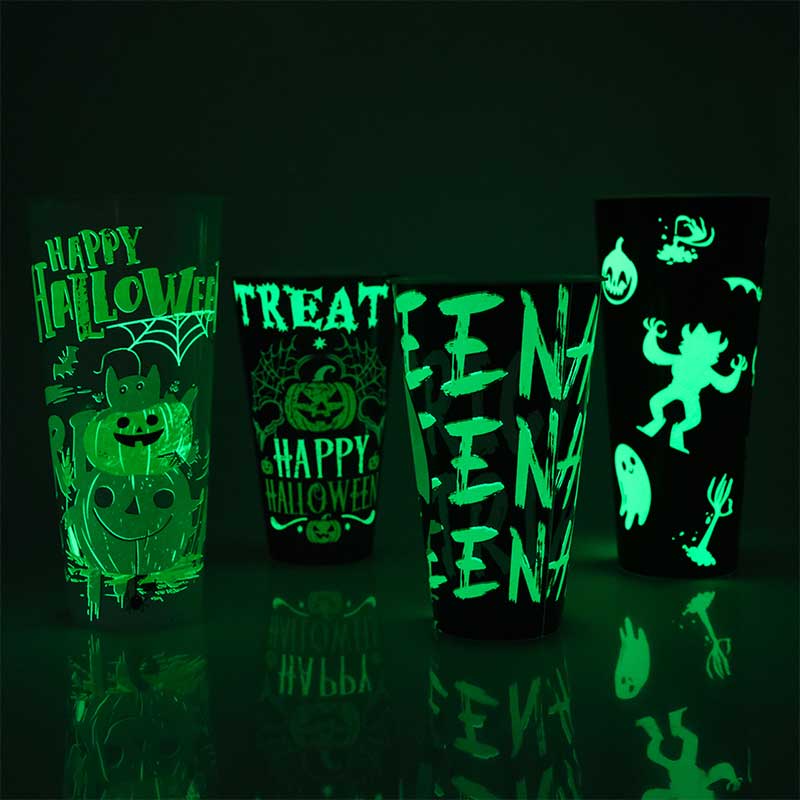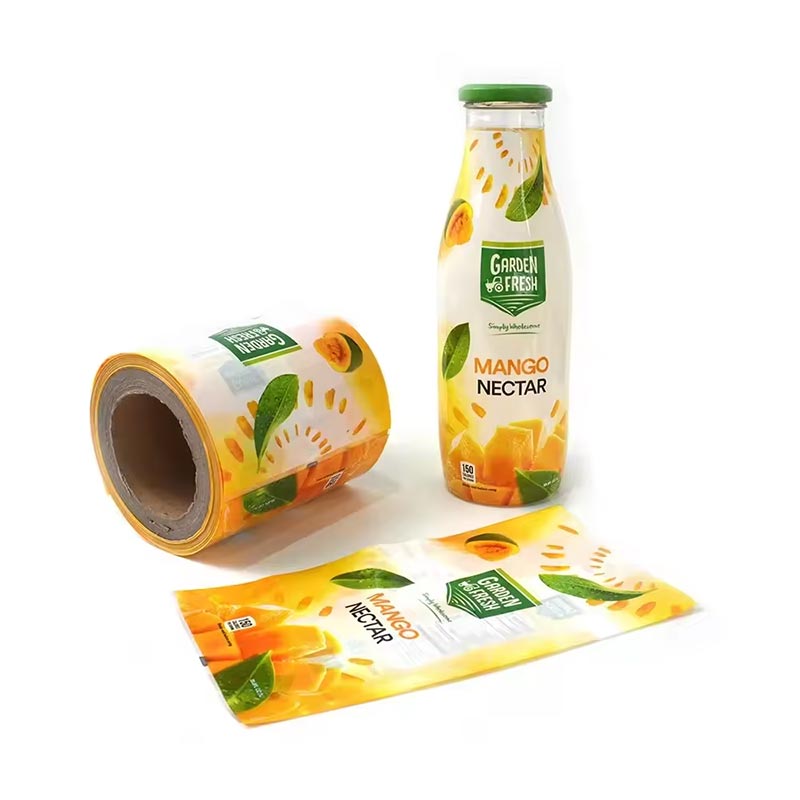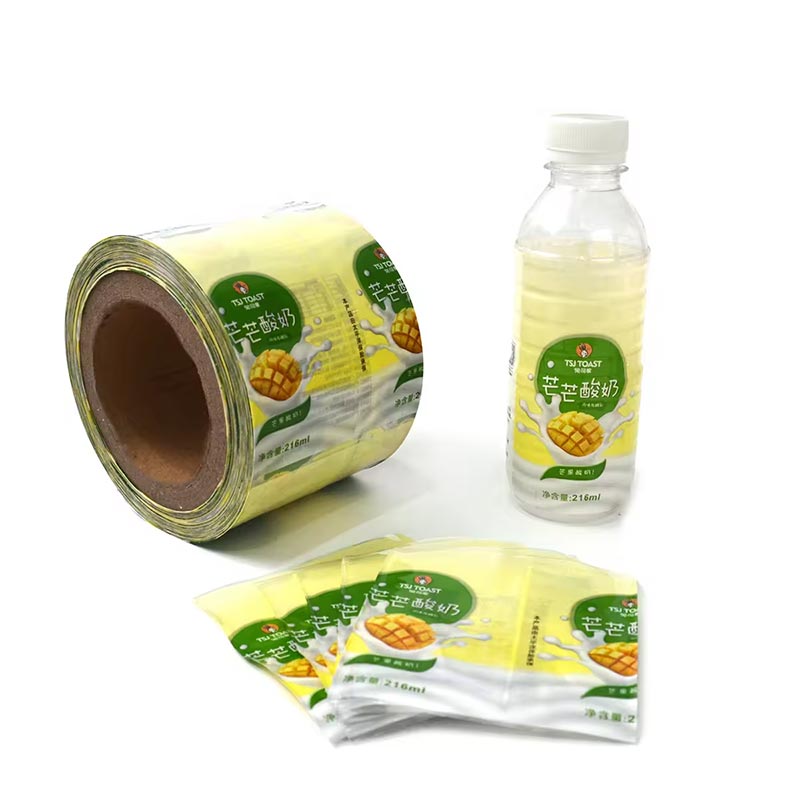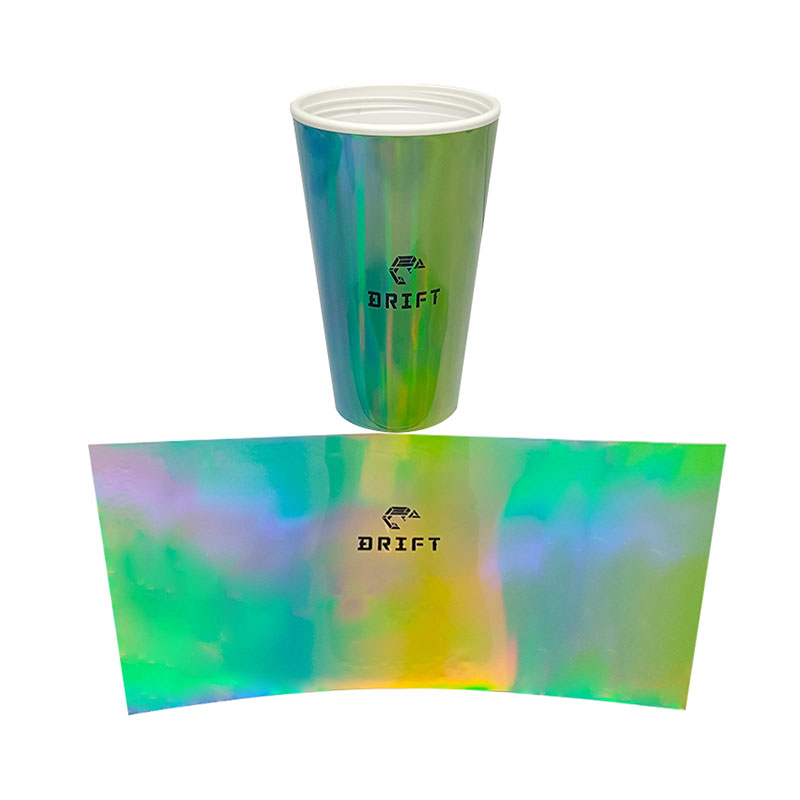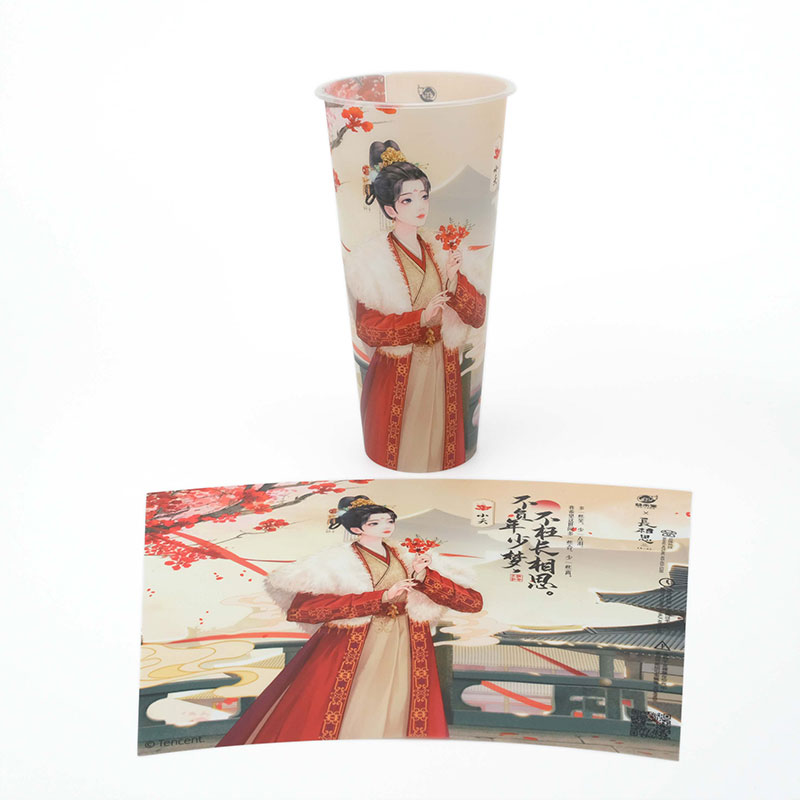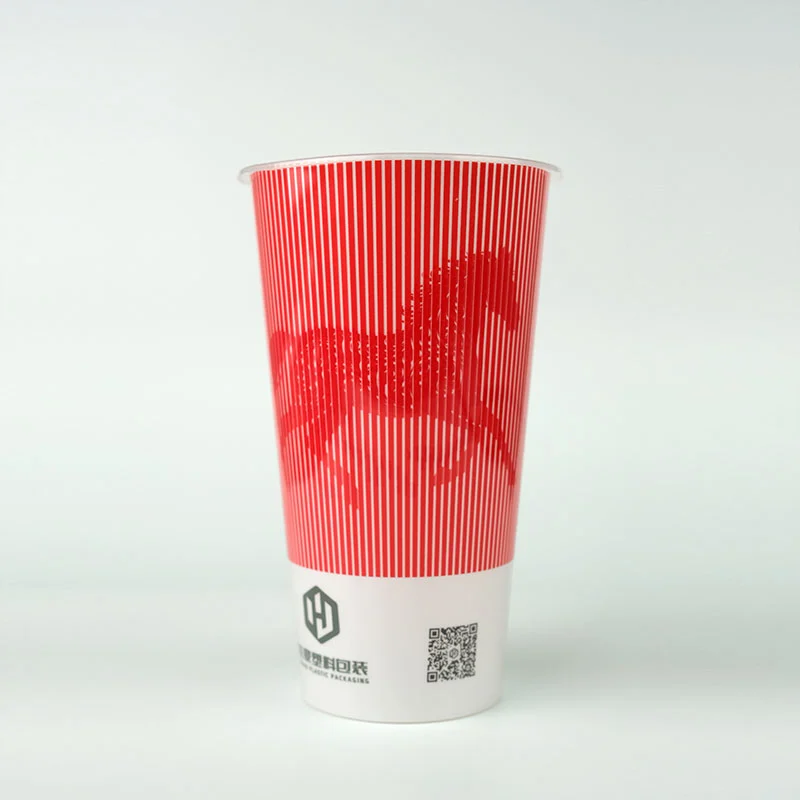
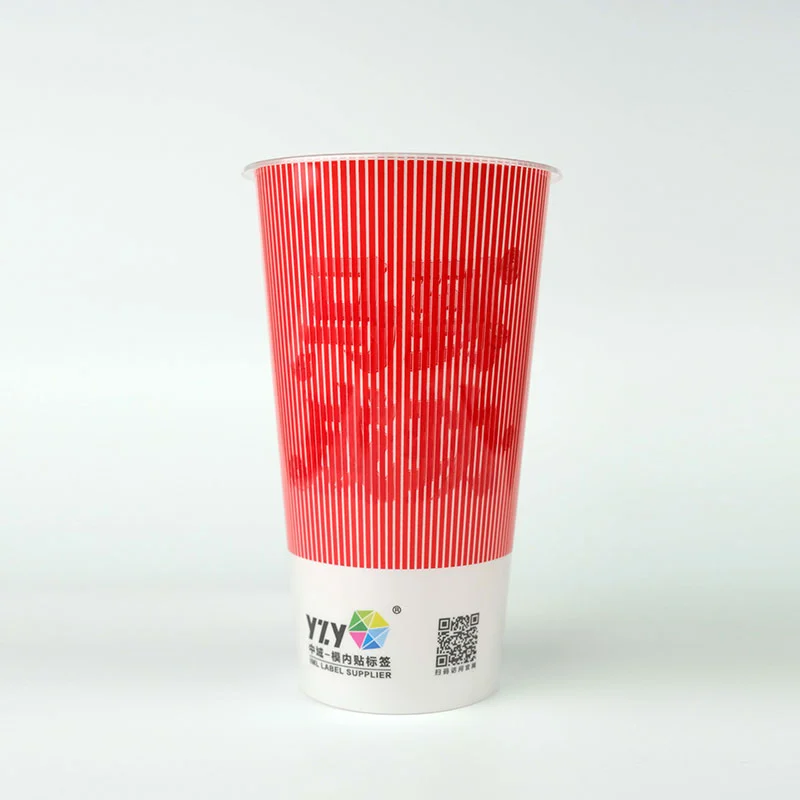
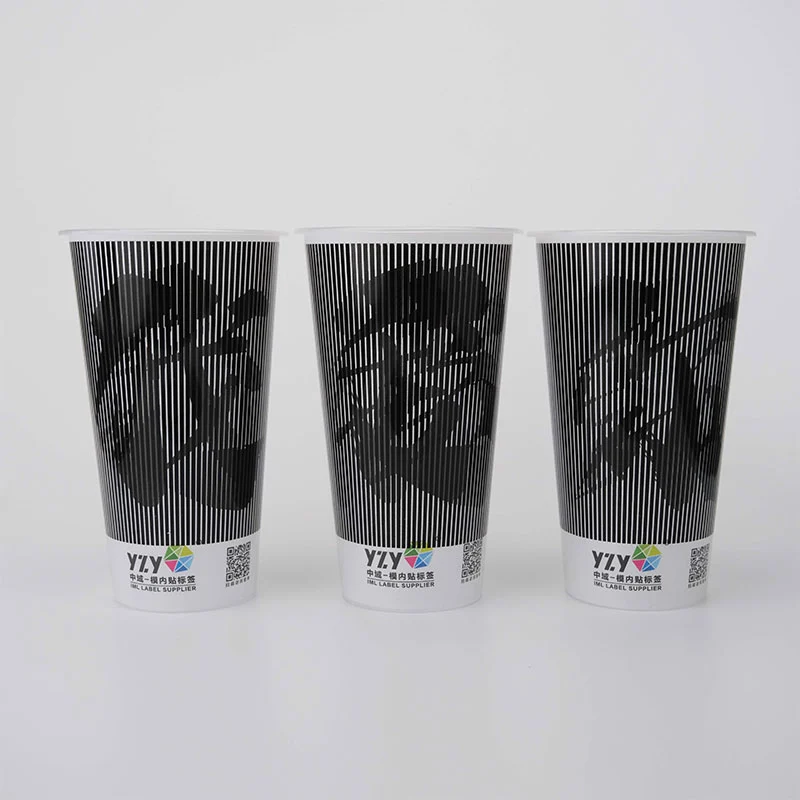
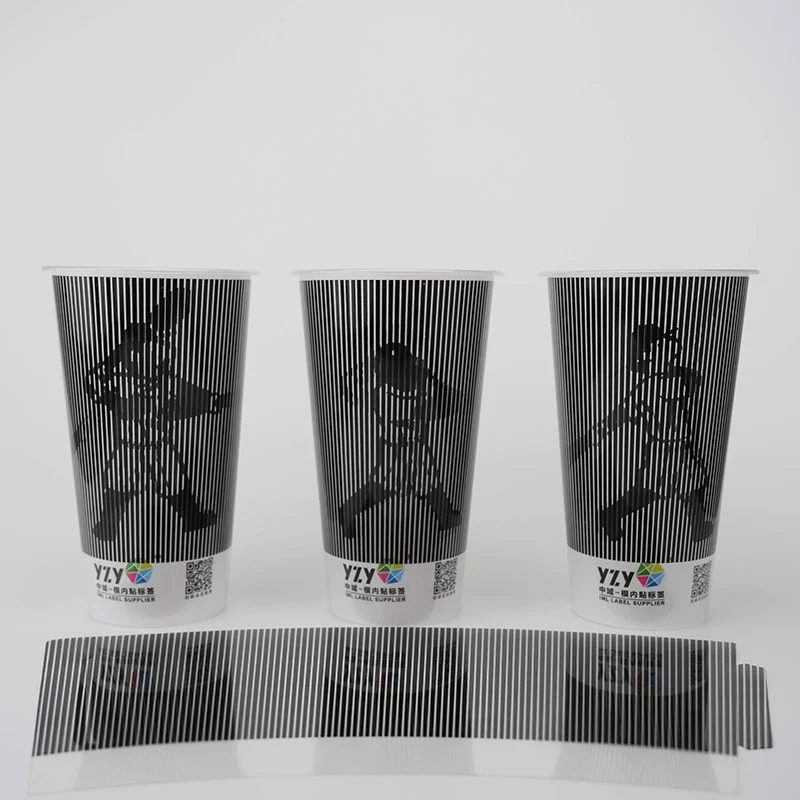
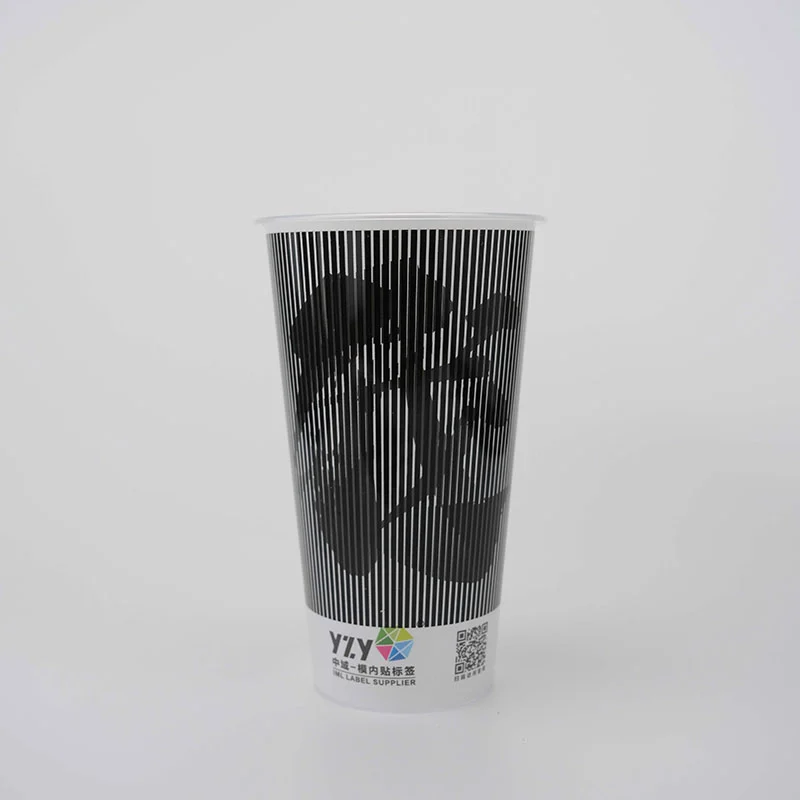
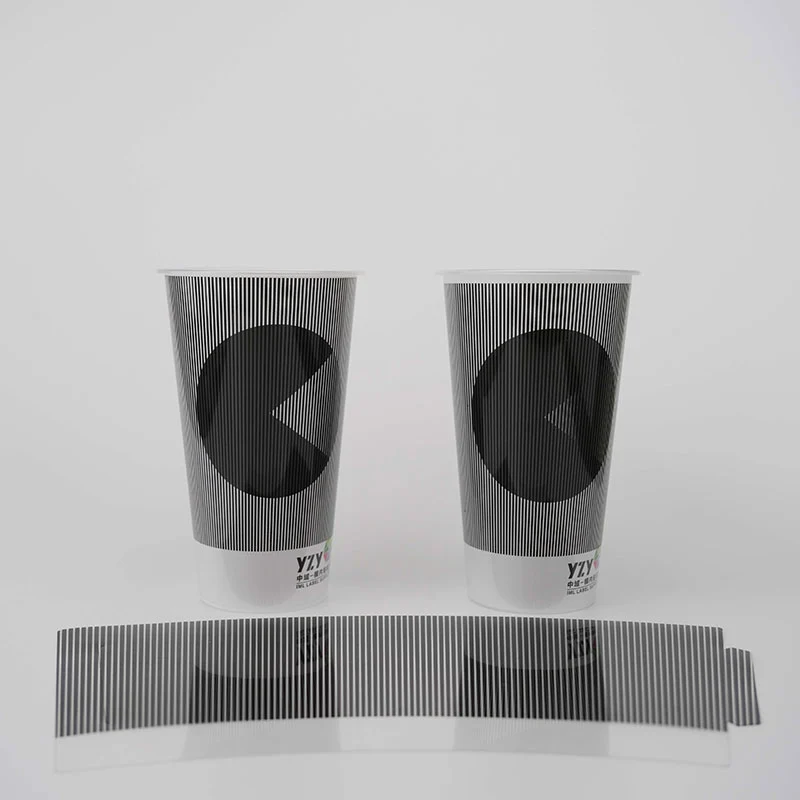
The Lenticular In-Mold Label created by Zhongyu Supplier integrates with the plastic cup body during injection molding. The raster lens layer is encapsulated inside the product, not a later-applied raster sticker.
Zhejiang Zhongyu Technology has completed the calibration of the raster film, alignment and offset printing, and curved surface die-cutting production. They have overcome the industry challenge of injection molding and stretching misalignment of the raster pattern. It is mainly used for plastic water cups, cultural and creative containers, and brand limited packaging, creating eye-catching dynamic visual packaging effects.
1. Achieve dynamic visual effects for packaging
2. Replace the later application of raster stickers
3. Enhance the marketing appeal of the brand
4. Take into account the basic protective performance
5. Adapt to the integrated production process of injection molding
Product Compatibility: Mainly used for PP material injection molding cups and plastic storage containers. The curved surface of the product should not be too large, as the curvature will directly affect the dynamic viewing effect of the grating.
Production Usage: The in-mold labels of the grating are placed in the mold cavity according to the ordinary IML process, and molten plastic is injected. Once formed, a plastic product with dynamic grating effect is obtained.
Viewing Experience: The finished product can present the dynamic effect under normal natural light. The optimal viewing distance is 30-80 centimeters. It is suitable for offline commercial stores display and exhibition display.
Application Carrier: Cultural and creative water cups, festival-themed drink cups, trendy plastic shells, gift packaging containers.
1. The curvature of the lenticular in-mold label can interfere with the raster imaging. In the early stage of the new project, the product's curvature needs to be evaluated. If the curvature is too large, it is prone to cause dynamic image tearing and ghosting.
2. The injection molding temperature and injection speed parameters will slightly stretch the raster film. Fluctuations in the parameters will cause the pattern alignment to shift. It is necessary to fix the injection molding process parameters.
3. The raster label requires extremely high printing precision. The design draft needs to comply with our raster plate-making specifications and cannot be directly used from ordinary flat printing documents.
4. Do not forcefully polish the finished product surface. Polishing will damage the micro-lens structure of the surface raster, resulting in the loss of dynamic visual effect.
5. If it is to be used in the food and beverage scenario, food-grade ink and film materials must be specified, and the corresponding test documents need to be obtained.
A: Conduct a surface assessment in advance, use dedicated layout tools, and the stretching misalignment risk can be controlled within a reasonable range.
A: No, the source file needs to be re-processed according to the raster process.
A: Sampling is supported. We provide injection molding samples to verify the dynamic visual effect before starting the mass production.
A: Food-grade raw materials can be selected. Corresponding compliance testing materials will also be provided.
A: Provide 3D drawings of the product. We will assess whether the surface curvature is compatible with the raster imaging.
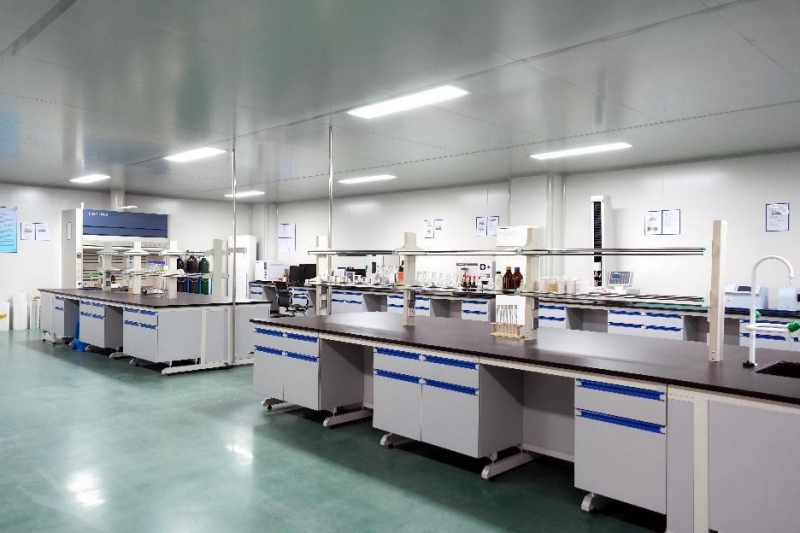
A: We have multiple IML-related patents, our own laboratory, and have passed ISO and BRC certifications.
A: There is an additional raster layout process. After confirming the pattern, we will provide the accurate production schedule.
Address
New City E District, Xingke Road, Longgang District, Wenzhou City, Zhejiang Province, China
Tel